A Step-By-Step Guide
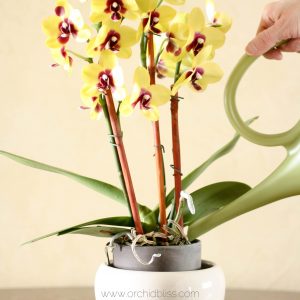
You’ve enjoyed your orchid for several months, and now the flowers are wilting and dropping. It is time to trim the orchid stem to allow the orchid to regenerate and prepare to re-bloom.
If buying an orchid, letting it bloom, and then discarding it after the flowers have faded is not your style, read on. I am the same way. I just can’t throw all that potential away. The orchid is not dead. If given the proper care, it will flower again. Once the flowers are spent, it is time to trim the orchid stem and wait for a new flower spike to emerge.
Some of the links on this page may be affiliate links. Click here to learn more.
How to Cut the Flower Spike
Any clean, sharp scissors will do the trick. I love my bonsai pruning shears. They are super sharp and get the job done without having to saw through the flower spike.
Before using the scissors, make sure they’ve been sanitized. This may seem like an unnecessary step, but it will help keep your orchids healthy, preventing viruses and other pathogens from being passed between orchids. Think of yourself as a sort of orchid doctor.
There are two basic methods for sterilizing your scissors: using rubbing alcohol or a flame.
To sterilize using rubbing alcohol, soak a cotton ball with the rubbing alcohol and wipe down the scissors’ blades.
To use the flame method, pass the blade through a flame for about 20 seconds. I like to use a kitchen torch to sanitize my shears.
Some of the links on this page may be affiliate links. Click here to learn more.
A Couple of Notes Before Cutting:
Let’s talk about the Phalaenopsis orchid or moth orchid, the one you likely got from the grocery store. This is the only orchid that will rebloom on the same stalk. All other orchids will bloom again, but not from the same stalk. All other orchids can be trimmed at the base of the flower stalk.
There is one more point I want to be really clear about: Trim the flower stalk, not the pseudobulbs. Phalaneopsis, Paphiopedilum, and Vanda orchids don’t have pseudobulbs, but most other orchids do. For instance, if you are growing Dendrobiums or Cattleyas, don’t cut the flower stalk off at the base of the plant, just trim the flower stalk. If you see a bulge in the stem, that is a pseudobulb and you don’t want to cut that. If there are leaves growing off a stalk, don’t cut that.
Cutting the Spikes
Cutting a Dying Spike
If the spike is dying and looks brown, trim the stem at the base of the plant. In the image below, I am trimming the flower spike of my Cymbidium. This orchid blooms annually. I will have to wait until next year for more flower spikes to grow. After the flowers fall off, the stem starts to die, and the stalk is ready to be cut at the base.

Cutting a Double Spike
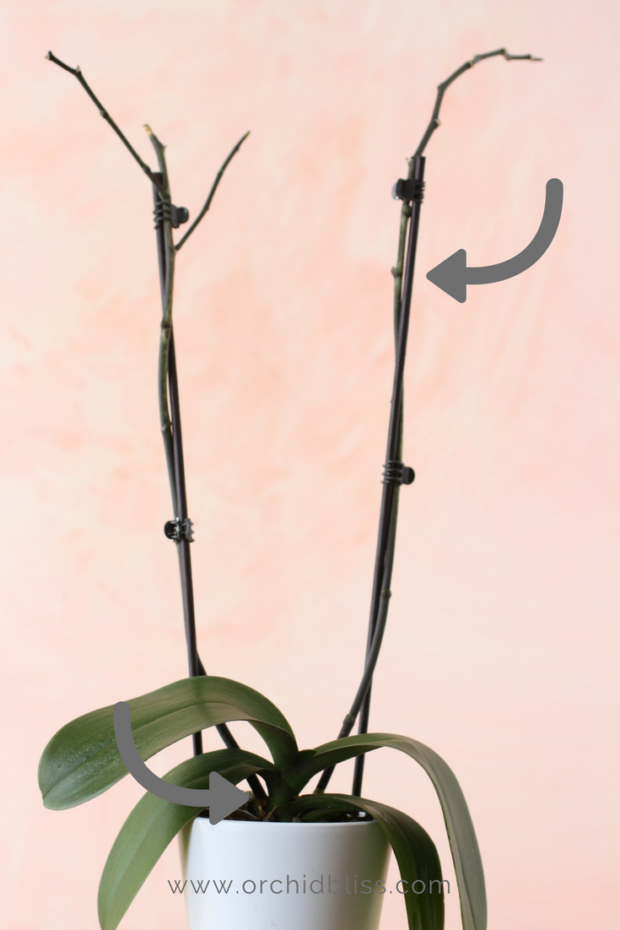
If you are lucky enough to have a double-spike Phalaenopsis orchid, cut one spike at the base and cut the other spike about an inch below the last flower.
Cutting a Healthy Single Spike
If the flower spike is a healthy green color, one option is to find the node just below the lowest flower and prune it off about an inch above the node. Another flower spike may emerge, though the flowers will be smaller and less plentiful than they were previously.
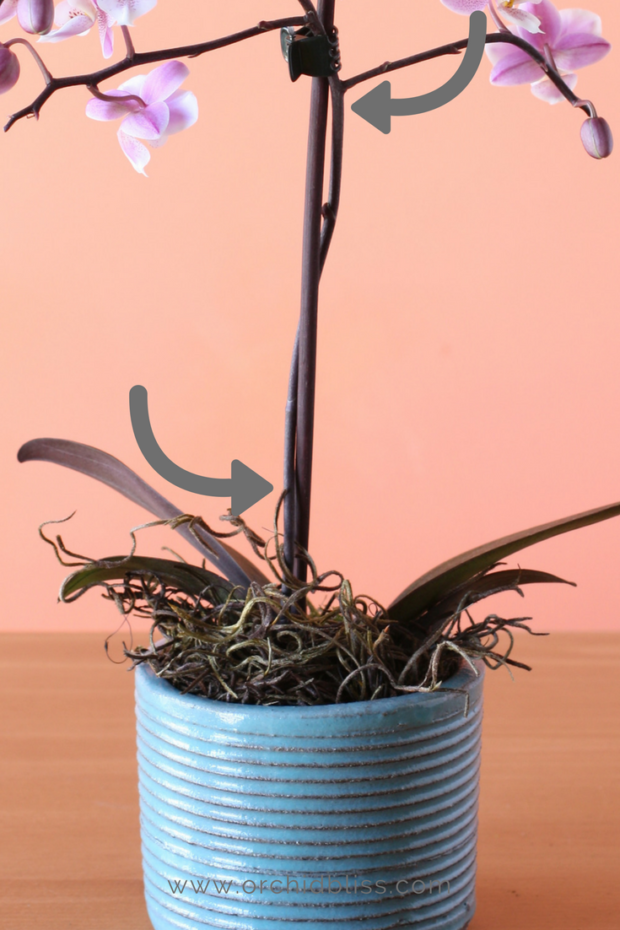
Another option is to trim the spike near the base, with the option of leaving just a couple of nodes. Usually within 2-3 months new growth will appear and buds will form. Remember that younger or weaker plants may not re-bloom. Phalaenopsis with branching stalks will grow up from the base. It never hurts to trim 2 nodes above the base of the plant and hope for the best. If the stalk dies, you can always trim it down if the stalk dies.My personal recommendation is to count a few notches up from the bottom and make your cut. Phalaenopsis orchids are tough and can handle another blooming. If the spike comes up from the base instead of blooming from the cut spike, you’ve lost nothing.
Think of it as putting on gloves before seeing a patient — you’re the orchid’s doctor!
TIP: If you don’t trim the flower spike, the Phalaenopsis may continue to flower from the tip of the flower stalk, but the flower stalk will become longer. There will be fewer, smaller flowers. To give the orchid a fresh, strong start, trim the flower stalk near the base or at the base.
Trimming a Dendrobium Orchid
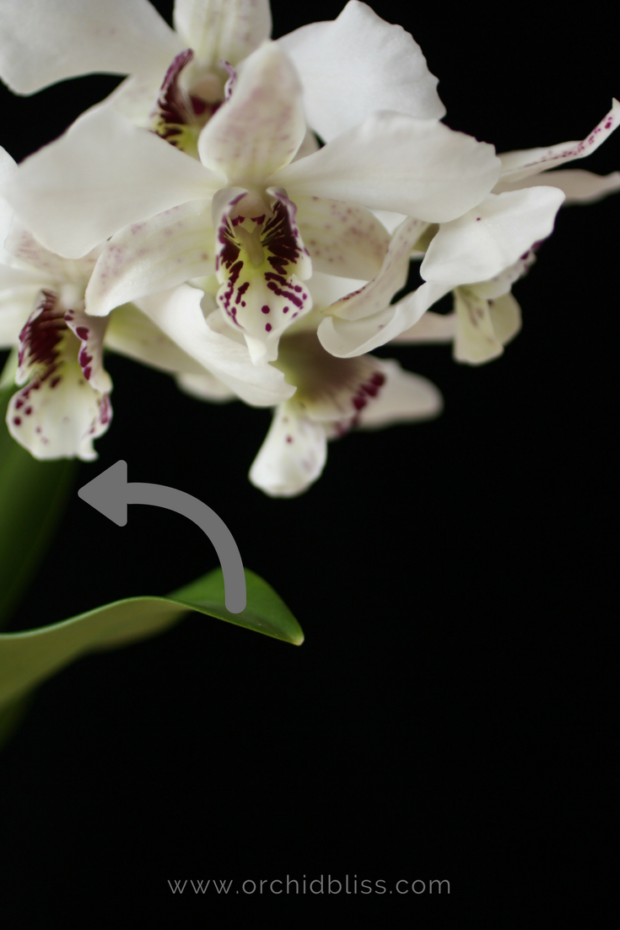
Dendrobiums are great because once the blooms are spent, the flowers can be snipped off and more buds will form. This cycle repeats until the orchid’s flowering cycle ends and the rest period begins, in preparation to bloom again. Pictured below is my Dendrobium orchid. After the flowers fade, I will trim the stalk just below the flower cluster to encourage more buds.
For Dendrobiums, trim just at the base of the flower cluster, not the base of the plant. If you’re cutting down into where leaves and pseudobulbs are growing, you’re cutting too far.
💡 If you’re unsure whether your orchid is getting the right care, our Orchid Buds community is a supportive space to ask. You’ll find growers at all levels who can help you troubleshoot everything from lighting to potting mix.
Troubleshooting Reblooming Problems
- “My orchid isn’t reblooming.”
Check your light. Orchids need more brightness than most houseplants. - “The leaves look healthy, but no spike.”
This often means the orchid is in vegetative growth. Be patient, and make sure it’s getting the day-night temperature difference it needs. - “Roots are shriveled or mushy.”
Time to repot into fresh bark or a well-draining mix. Weak roots can’t support reblooming. - “The orchid rebloomed, but the flowers are tiny.”
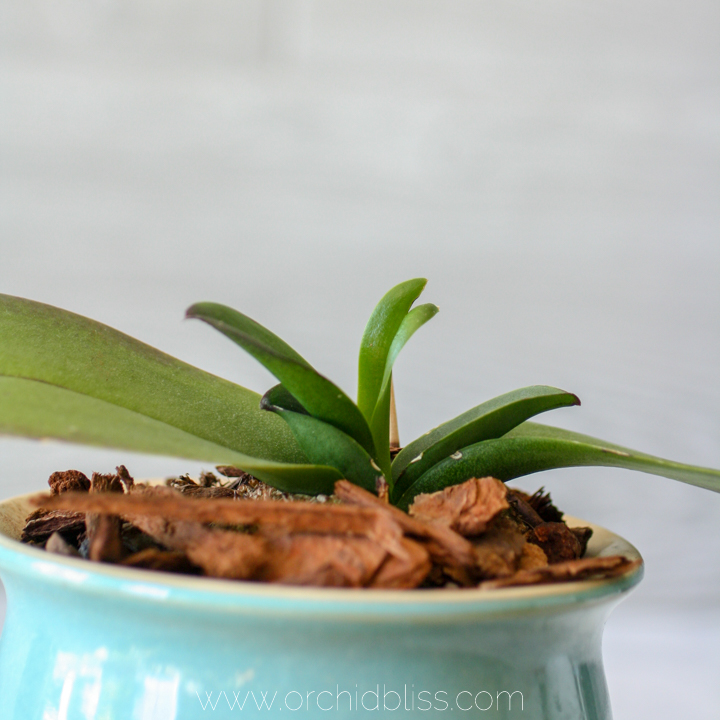
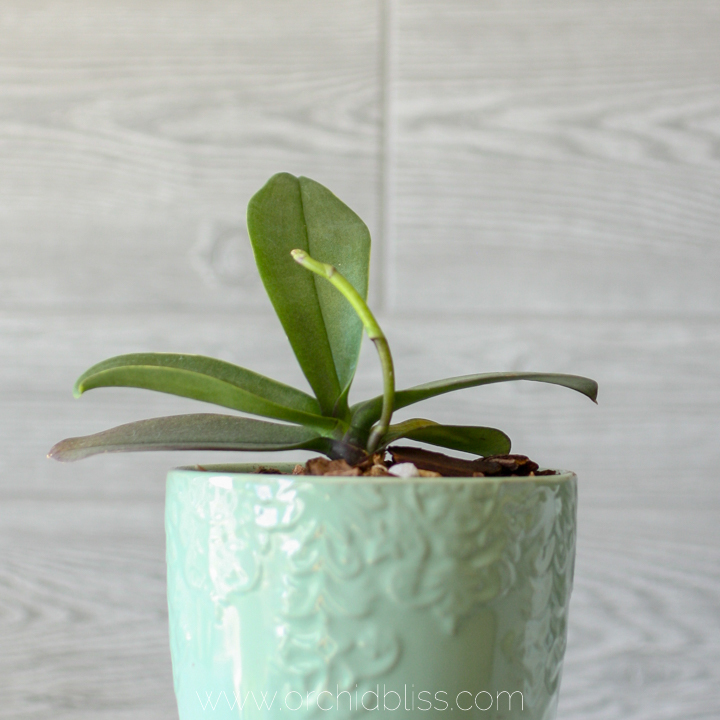
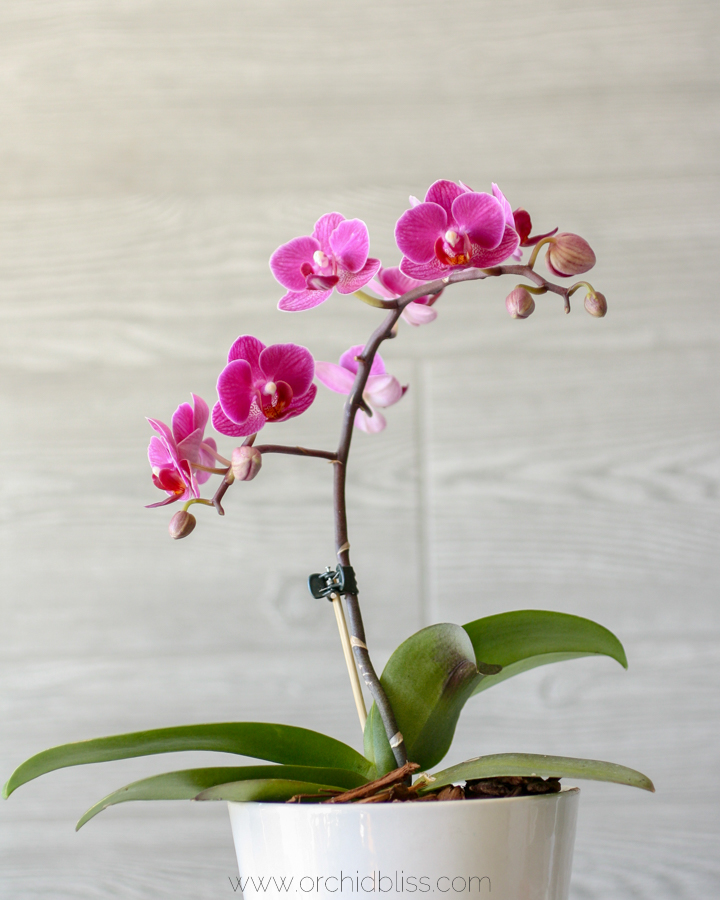
If you cut back to a node instead of the base, the plant may have produced a weaker branch spike. Next time, try trimming lower for a fresh start.
Want Extra Help?
Maintaining orchids’ health through multiple bloom cycles requires practice. But you don’t have to figure it out alone.
Grab my free orchid care cheat sheet for a simple guide to leaves, roots, and blooms.
👉 Click here to get your cheat sheet
And if you’d like step-by-step support and encouragement, I’d love to personally invite you to join Orchid Buds, my online orchid-growing community.
Inside Orchid Buds, you’ll find:
🌱 Practical answers to your orchid questions
🌸 Guidance from experienced growers
🤝 A positive, ad-free space to connect with fellow orchid enthusiasts
It’s like having a team of orchid mentors by your side. 🌿 Learn more here ↗.
Discover more about keeping your orchid’s leaves and roots healthy by grabbing your free cheat sheet. Click here to grab your cheat sheet to learn how to grow healthier orchids. It will be super helpful.
Ready to Learn More?

Why Re-Pot Orchids – Plus 4 Clues that Tell You When to RePot Orchids
Pottting at the right time vastly improves how well your orchid will adapt.
Read